02Case study · Avolta AG
Transforming Fragmented Requirements into a Product Vision
A clickable vision prototype and lightweight design system for a new self-service advertising platform.
- Company
- Avolta AG
- My role
- Product Designer
- Period
- 07/2025
- Team
- Global Product Director
Challenge
A new self-service advertising platform needed a vision that stakeholders could align on. Requirements, workflows and business rules were scattered across teams, and nobody had yet seen how they fit together as one product.
Solution
Mapped the core user journeys, structured campaign management and set up a lightweight design system – then delivered an interactive MVP prototype that gave all stakeholders a shared, tangible product direction.
Approach
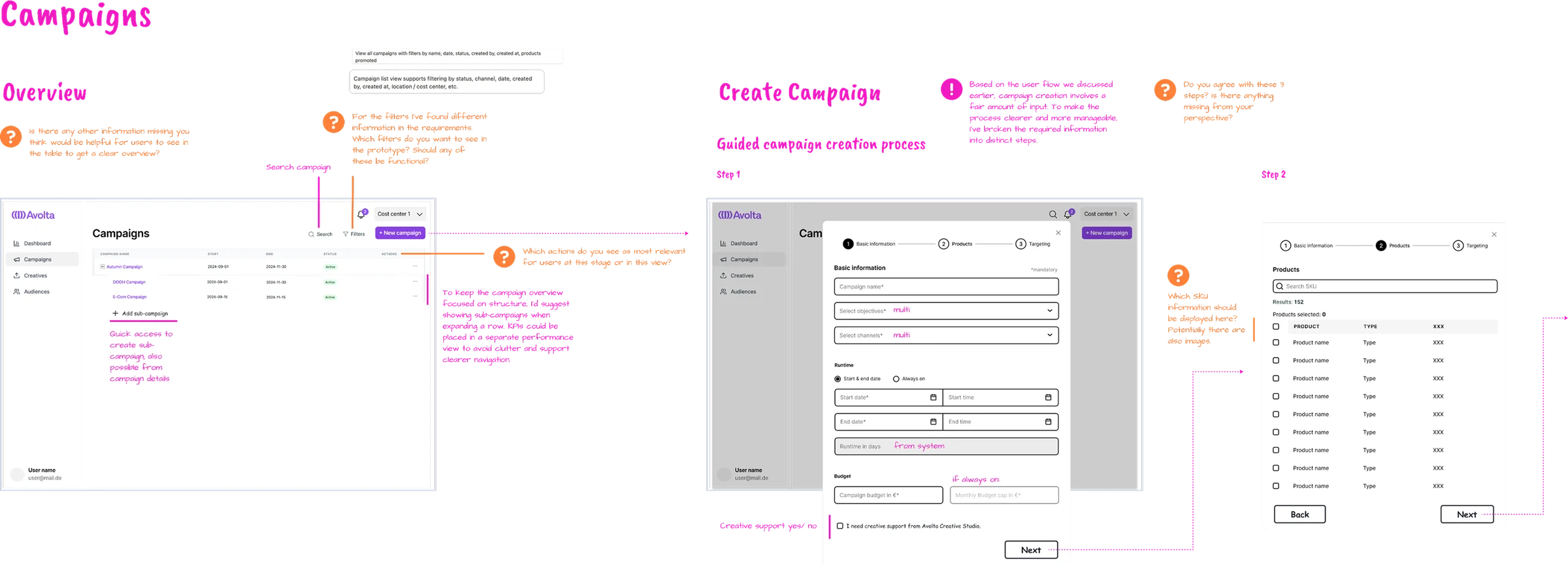
- Started by converting scattered requirements, wireframes, and stakeholder inputs into end-to-end user flows, ensuring alignment on how users would create, manage, and optimize campaigns.
- Used iterative wireframing sessions to challenge assumptions, uncover missing requirements, and define a coherent product structure before investing in visual design.
- Built a foundational design system and interactive prototype in parallel, allowing stakeholders to evaluate the future product experience while maintaining consistency across the growing feature set.
Outcome
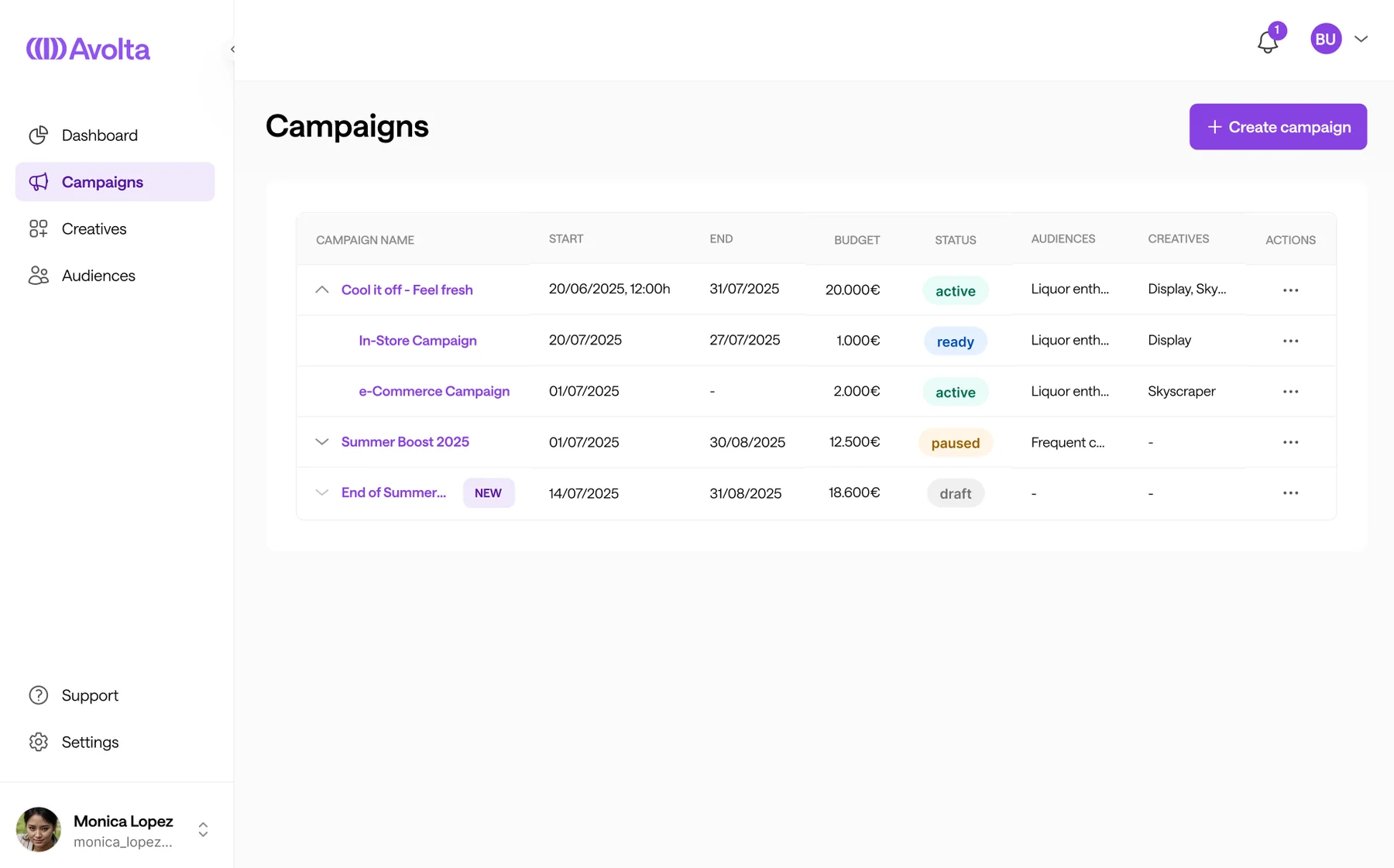
- Translated fragmented requirements into a structured product vision, creating a shared understanding of the platform’s core workflows and MVP scope.
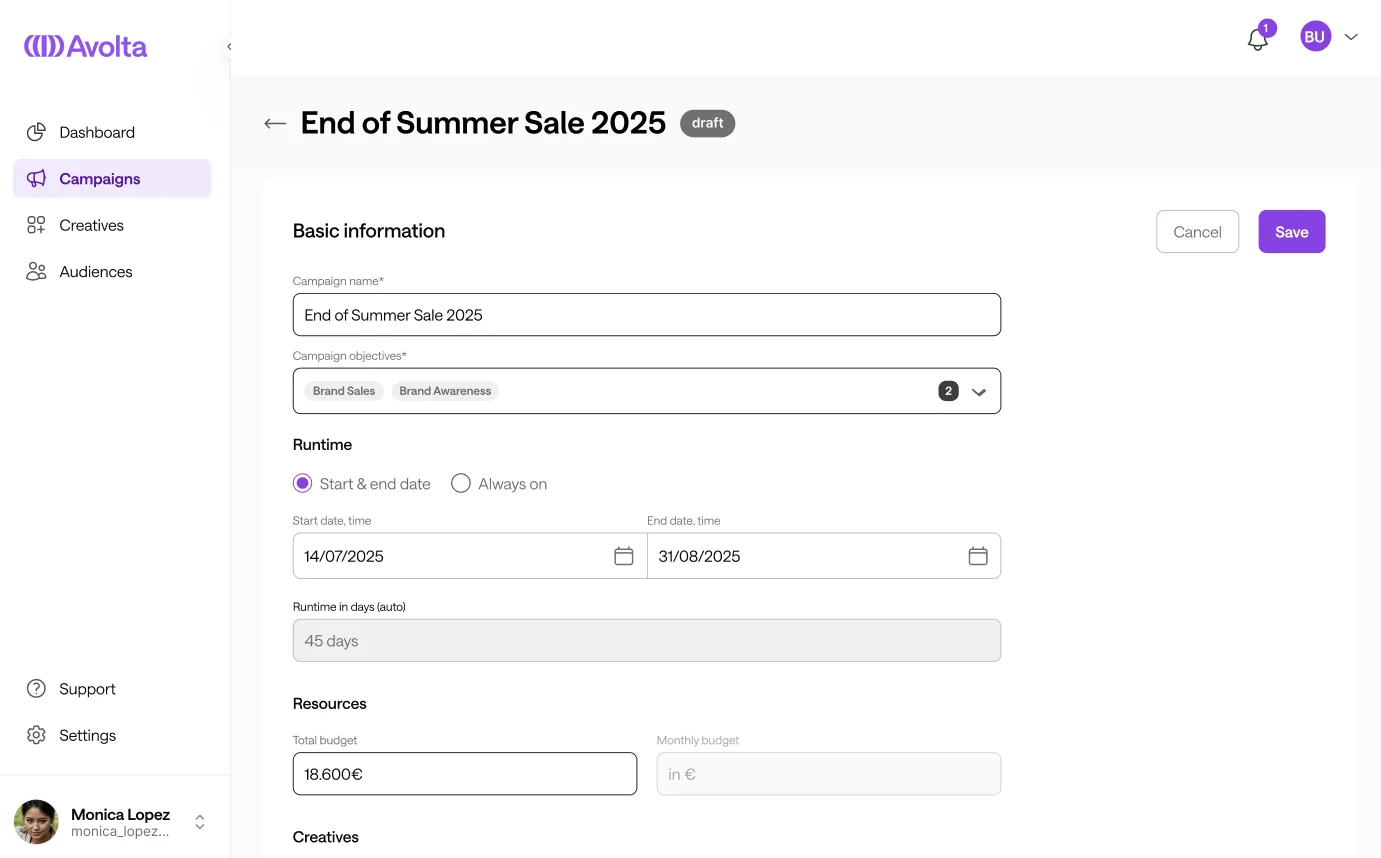
- Delivered a clickable prototype covering campaign creation, management, audiences, and creatives, enabling stakeholders to evaluate the product end-to-end before development.
- Established a lightweight design system with reusable components, tokens, and interaction patterns to support consistent product evolution.
- Reduced decision-making uncertainty by visualizing complex workflows and business requirements in a tangible, interactive format.
Highlights
- From Requirements to Product Vision Translated extensive requirement documents into structured user journeys, workflows, and interaction models that created a shared understanding of the product direction.
- Rapid MVP Definition Defined the core platform architecture, user flows, and UX concepts while continuously aligning with the Global Product Director throughout a four-week engagement.
- Scalable Foundation Established a lightweight design system with reusable components, tokens, and patterns that accelerated prototyping and created consistency across the product experience.
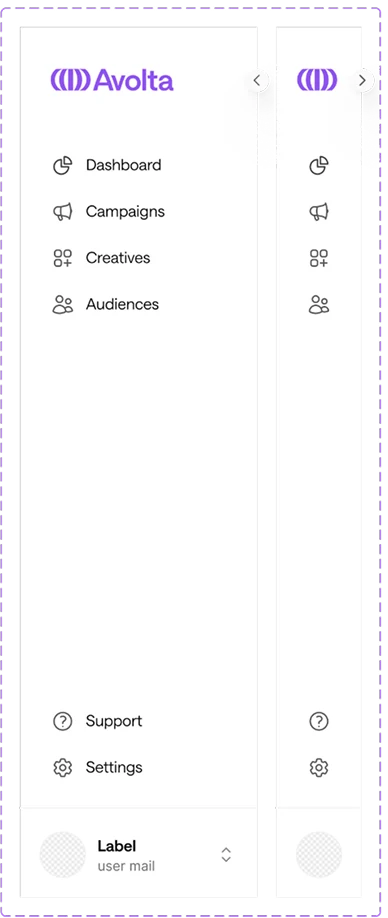
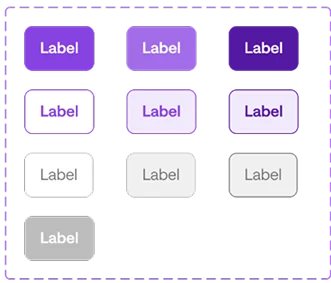
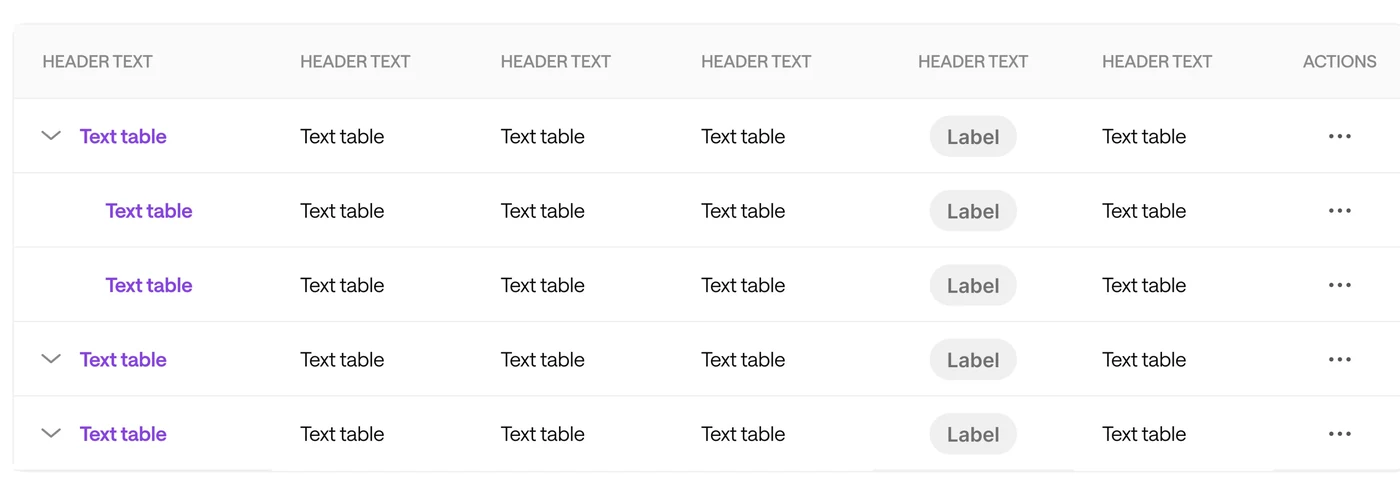
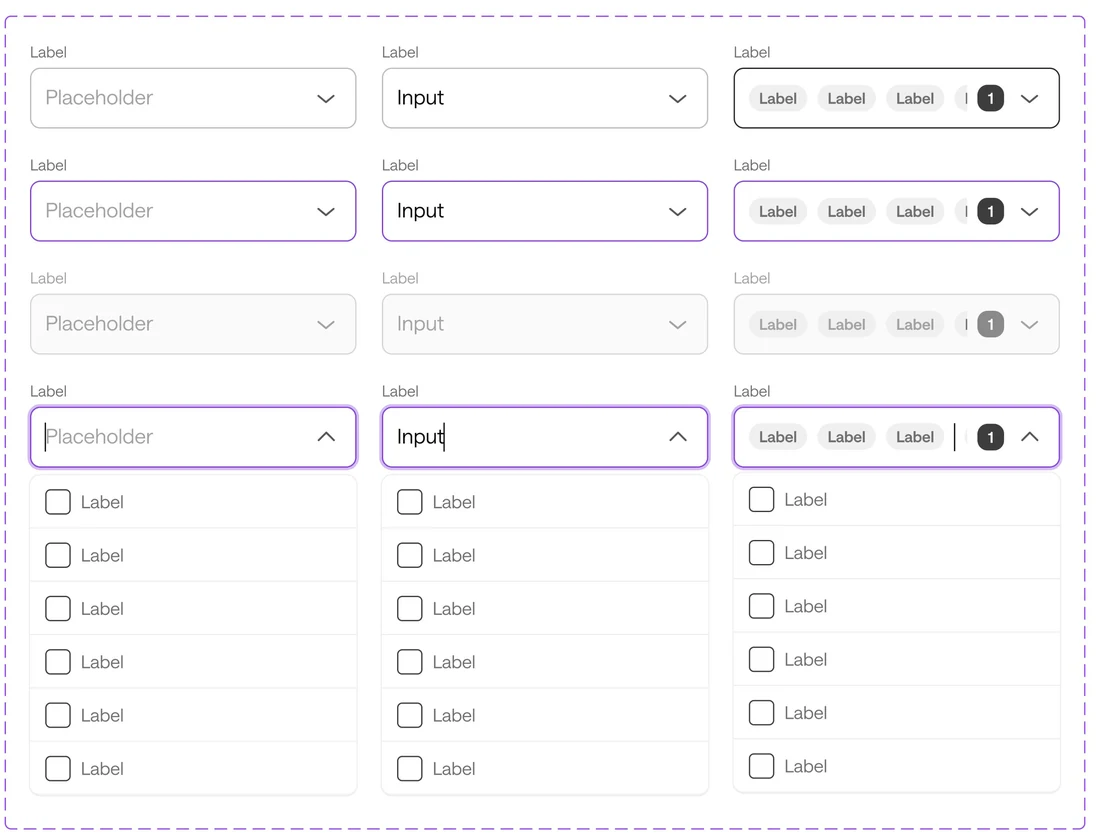
Establishing a scalable design foundation To support rapid MVP delivery, I established a lightweight design system with reusable components, tokens, and interaction patterns that accelerated design decisions and ensured consistency across the growing product surface.
Learning
A clickable prototype aligns stakeholders faster than any document – people agree on what they can click through, not on what they read.